In the annals of Raith Rovers' history, the 1980s stand out as a major decade, a period that saw the club rise from the depths of adversity to re-establish its place in Scottish football. Just a decade prior, the Rovers had faced the harsh reality of relegation to the lower tiers, but through resilience and strategic vision, they began to carve a path back to prominence, setting the stage for memorable campaigns that would resonate with fans for generations.
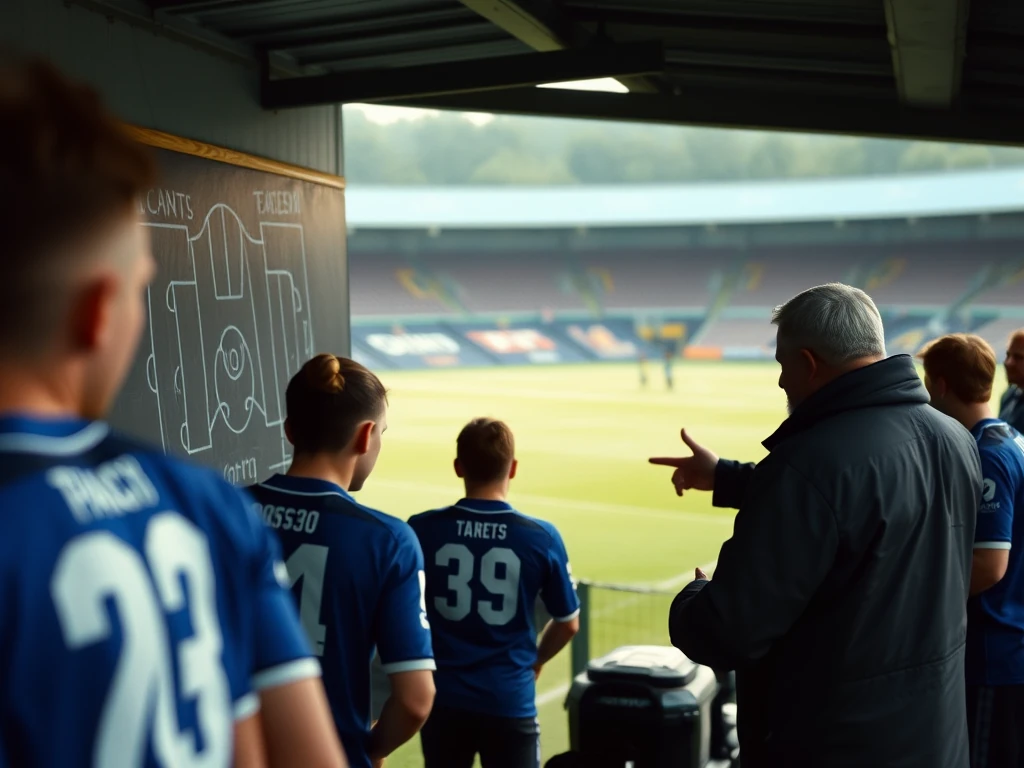
The early years of the 80s were marked by struggles. After being relegated from the First Division in 1979, Raith Rovers found themselves in the Second Division, battling against the odds. However, the club's management was steadfast in its vision to revitalise the squad. Under the stewardship of manager John McGlynn, who had taken the helm in 1981, the team began to gel.
One of the standout moments of this era came during the 1982-83 season when Raith Rovers finished as runners-up in the Second Division, earning promotion back to the First Division. This achievement was not merely about the elevation in league status; it represented a resurgence of hope and ambition among the Kirkcaldy faithful. The squad's tenacity was epitomised by players like goalkeeper Alan McGraw and forward John McGlynn, who each played key roles in the club's ascent.
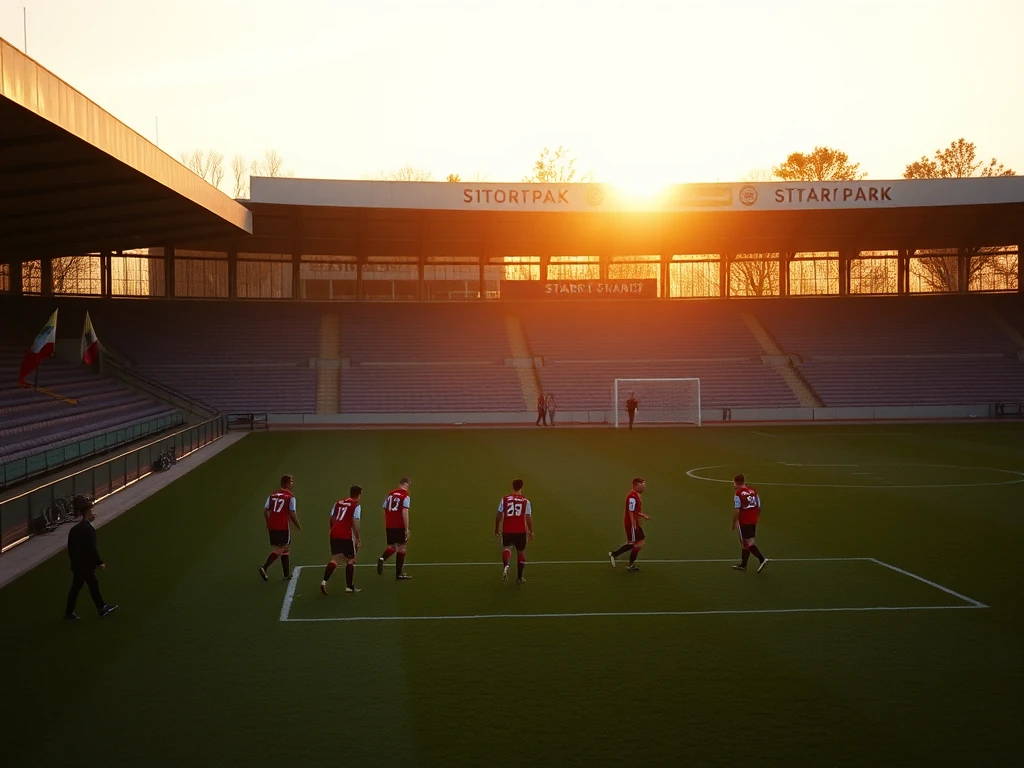
The Rovers continued to build on their success in the mid-80s, with memorable encounters that would ignite the passion of their supporters. One such match was against local rivals Dunfermline Athletic, a fixture that never fails to deliver drama and excitement. These derby clashes in the First Division were not only games; they were battles for pride and bragging rights that defined the club’s identity. The fierce rivalry helped bolster the team’s spirit and motivated players to give their all on the pitch, knowing the importance of each match to the local community.
The 1985-86 season saw the Rovers finish mid-table in the First Division, a respectable position that showed their stability after promotion. The club had not only returned to the higher echelons of Scottish football but had also laid the groundwork for future successes. The defensive solidity, coupled with an attacking flair that began to emerge, suggested that Raith Rovers were becoming a force to be reckoned with.
As the decade progressed, the Rovers continued to evolve. The establishment of a strong youth academy system allowed the club to nurture homegrown talent, ensuring that they could remain competitive without relying solely on external signings. This commitment to developing local players created a sense of loyalty and pride among the fans, who could see their own community reflected in the squad.
By the close of the decade, Raith Rovers had solidified their reputation within Scottish football. The experiences and lessons learned throughout the 1980s not only shaped the team’s identity but also forged an unbreakable bond between the club and its supporters. The decade had been a journey of resilience, one that would serve as a foundation for the club's future endeavors.
In retrospect, the 1980s were not only about results; they were about building a culture and a community that would carry the Raith Rovers' spirit into the next century. As fans reminisce about this key period in the club’s history, it serves as a reminder of the enduring passion and loyalty that defines Raith Rovers, a sign of the club's ability to overcome challenges and emerge stronger than ever.